Invisalign in Newcastle: Clear Aligners Explained

If you’ve been putting off fixing your teeth because braces felt like too much — too visible, too inconvenient, too much of a commitment at this point in your life — Invisalign is worth understanding properly. Here’s a straightforward look at how clear aligners work, what treatment involves, and what affects the cost.
What Is Invisalign?
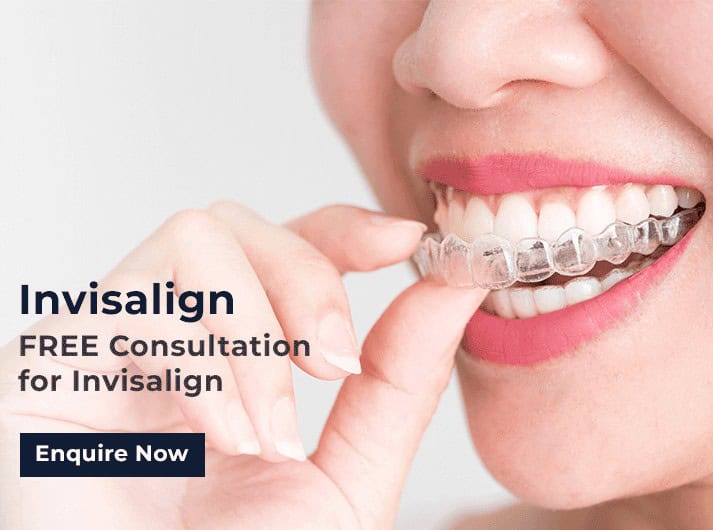
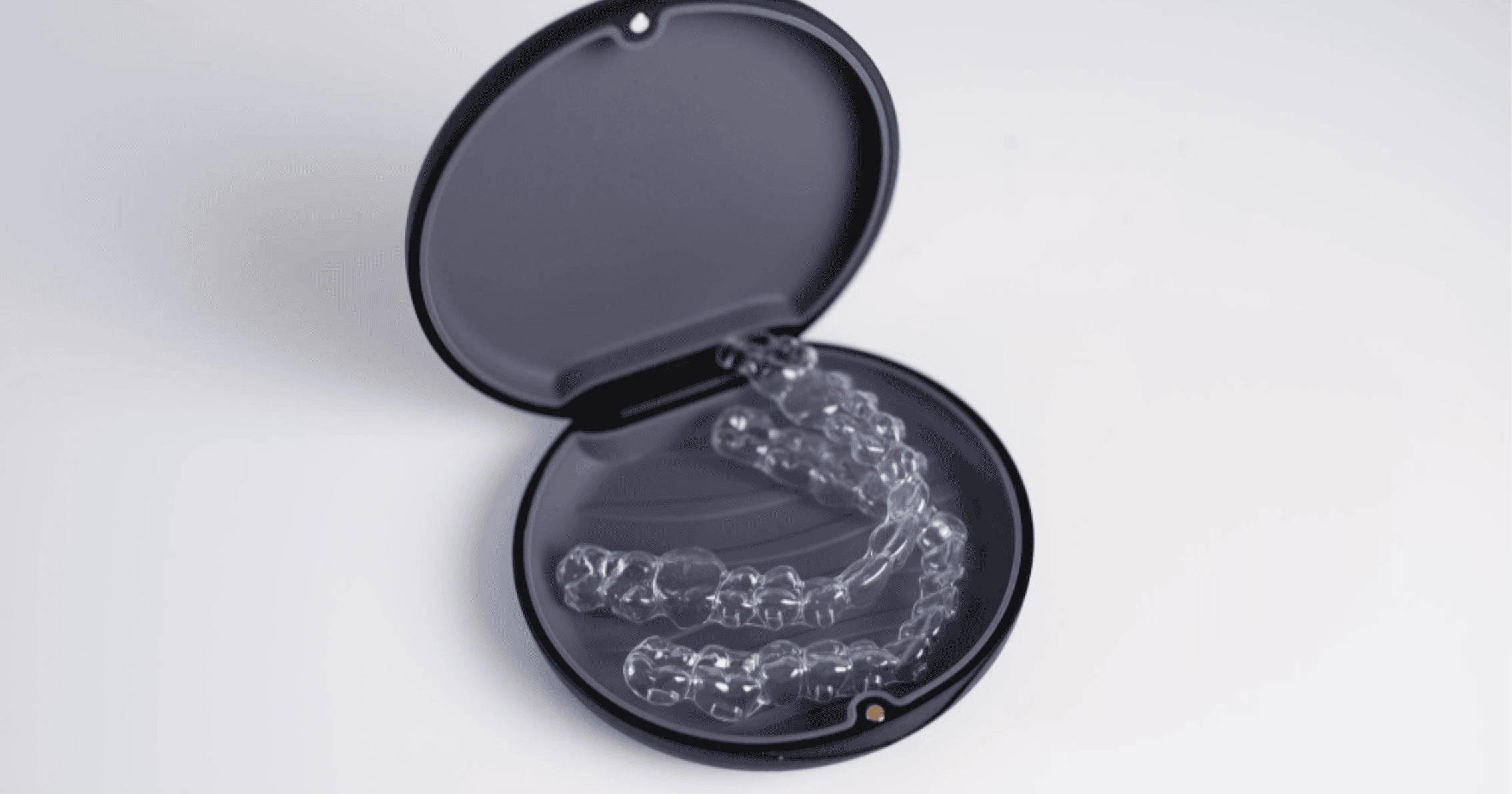
It is a clear aligner system that gradually shifts teeth into their intended position using a series of custom-made, removable trays. Each tray is worn for approximately one to two weeks before progressing to the next in the series.
The process starts with a digital scan of your teeth — no messy impressions. That scan maps your tooth movements and produces a sequence of aligners, each shaped for a specific stage of treatment.
The aligners should be worn for 20–22 hours daily and only taken out when eating, drinking anything besides water, or brushing. Every few weeks, you’ll attend a review appointment so your Cardiff dentist can confirm that treatment is on track.
Treatment length varies depending on complexity. Some cases take six months; others take closer to eighteen.
Invisalign vs Traditional Braces
Both clear aligners and fixed braces move teeth through controlled, consistent pressure. How they do it — and what that means day-to-day — differs in several practical ways.
Appearance
Invisalign aligners are made from clear thermoplastic material, making them difficult to notice in conversation or photos. Fixed braces use brackets attached to each tooth with a wire running through them, making them visible when you speak or smile.
Comfort
New aligners can cause mild pressure for the first day or two as your teeth begin adjusting. Fixed braces can cause similar discomfort after tightening appointments, and brackets or wires can occasionally irritate the cheeks or gums.
Hygiene
Because Invisalign aligners are removable, you brush and floss exactly as you normally would. With fixed braces, cleaning around brackets and wires requires more time and technique throughout treatment.
Review visits
Both options require regular dental check-ups. With Invisalign, visits are typically shorter because the dentist checks progress rather than adjusting hardware.
Suitability
Invisalign treats a wide range of cases effectively. However, some complex situations — significant bite discrepancies, certain rotations, or cases requiring precise torque control — may be better suited to fixed braces. Your Cardiff dentist will assess what’s appropriate for your specific needs.
Neither option is universally superior. The right choice depends on your clinical situation, lifestyle, and what you’re comfortable maintaining throughout treatment.
Who Is a Good Candidate?
This treatment can be used by a broad range of patients, from teenagers to adults. Cases that respond well to clear aligner treatment include:
- Mild to moderate crowding
- Spacing issues or gaps between teeth
- Minor bite concerns, such as a mild overbite, underbite, or crossbite
- Relapse after previous orthodontic treatment
Many patients seeking clear aligners in Newcastle come in with functional concerns — difficulty cleaning crowded teeth, uneven wear, or discomfort from a misaligned bite — not purely cosmetic ones.
Cases involving significant skeletal discrepancies, severe rotations, or teeth that haven’t fully erupted may require a different approach. A proper clinical assessment is the only way to determine whether Invisalign is the right fit — and if it isn’t, your dentist will explain what the alternatives are and why.
What to Expect During Treatment
- Wear time: 20-22 hours of daily wear is the standard recommendation. Consistently falling below this can slow progress or affect how each aligner tracks.
- Attachments: Some treatment plans include small tooth-coloured attachments bonded to certain teeth. These give the aligners more purchase for specific movements and are removed at the end of treatment.
- Refinements: In some cases, additional aligners — called refinements — are needed to complete final adjustments after the original series is finished. This is not uncommon and doesn’t indicate something has gone wrong. It reflects how teeth respond over time.
- Retainers: Once treatment ends, retainers — usually worn nightly — hold teeth in their new position. Not wearing retainers as directed is one of the main reasons teeth shift after treatment.
Cost Factors
Invisalign is not a fixed-price treatment. What you pay depends on several clinical factors.
- Complexity of tooth movement — More complex cases require more aligners and a longer treatment period.
- Number of aligners — Short-term or limited treatments use fewer aligners and are typically priced differently from full-arch comprehensive treatment.
- Health fund cover — Some private health funds provide orthodontic benefits that can offset part of the cost. The amount depends on your level of extras cover — worth checking with your fund before your consultation.
- Payment plans — Many practices offer staged payment arrangements to spread the cost of treatment. Ask about what’s available when you come in.
A reliable cost estimate requires a proper clinical assessment, not a general quote.
Frequently Asked Questions
Will Invisalign affect my speech?
A slight change in speech may occur for some patients at the beginning of aligner wear. This usually resolves within a few days as your mouth adjusts.
Can I eat and drink normally?
Yes. You take your aligners out when eating and drinking, so you can eat whatever you like. Brush before putting them back in.
What happens if I lose an aligner?
Contact your dental practice promptly. Depending on where you are in the series, your dentist may advise you to move to the next aligner early or to order a replacement.
Does Medicare cover Invisalign?
Medicare generally does not cover orthodontic treatment. Private health fund extras cover may apply depending on your policy. Check with your fund directly for what’s included under orthodontic benefits.
Ready to Talk About Invisalign in Cardiff?
If you’ve been considering teeth straightening in Newcastle, a consultation is the right first step. At Cardiff Dental, we assess your teeth, walk you through your options, and give you an honest picture of whether clear aligners are right for your situation.
We see patients from Cardiff, Charlestown, Warners Bay, Belmont, and across Lake Macquarie.
Call us on (02) 4954 6888 or book online. You’ll find us at 30 Veronica Street, Cardiff.