
Denture Repairs and Relines: When Dentures Stop Fitting
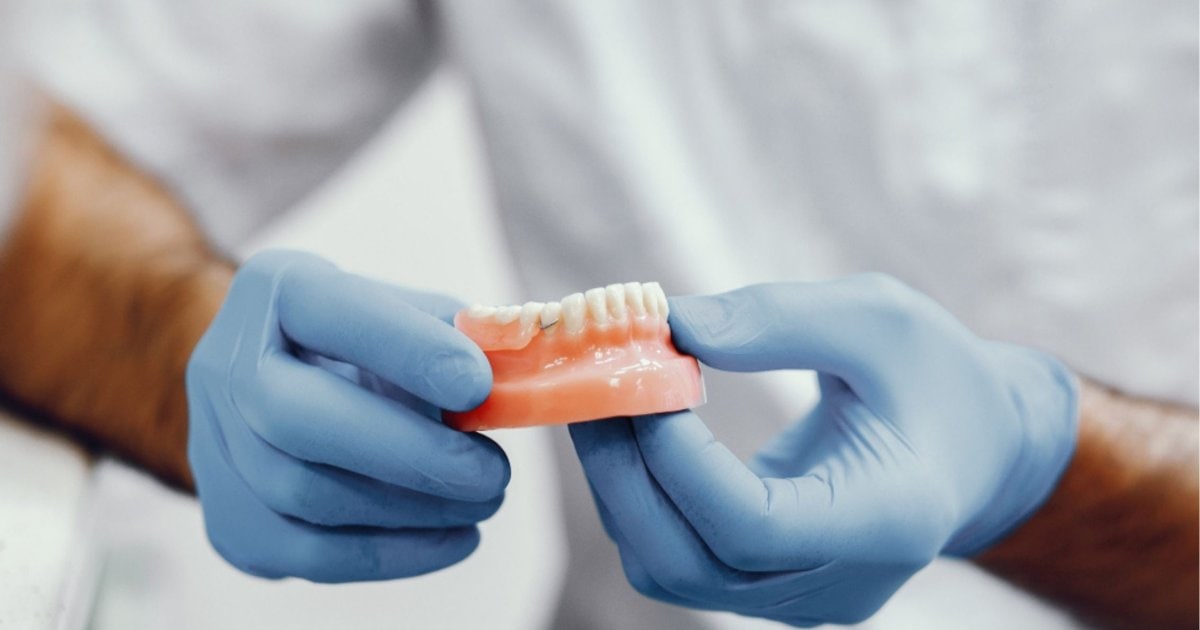
A denture that fit well when it was made doesn’t necessarily stay that way. Mouths change shape over time, even after all natural teeth are gone, and that gradual change is the most common reason dentures start to feel loose, sore, or unstable. This guide covers what’s actually happening when a denture stops fitting, when the fix is a denture repair rather than a reline or adjustment, and when it’s worth booking a review rather than living with the problem.
Why Dentures Stop Fitting Over Time
A denture rests on the gum ridge and the bone underneath it. Once teeth are removed, that bone gradually remodels and can reduce in height and width, a process that continues for years, not just in the months right after extraction.
As the ridge changes shape, a denture that was moulded to fit the original contour starts to sit differently. This isn’t a fault in the denture or a sign it was made poorly. It’s an ongoing change in the mouth that the denture eventually needs to be adjusted to match.
Weight changes, general ageing of the gum tissue, and ordinary day-to-day wear on the denture material itself can also play a part, on top of the bone changes.
Signs a Denture Needs Attention
A few patterns are worth acting on rather than working around:
- The denture rocks, clicks, or shifts when eating or speaking.
- Food regularly gets trapped underneath it.
- Sore spots, rubbing, or ulcers develop, particularly in the same location repeatedly.
- The denture feels loose enough that you find yourself using adhesive more than you used to.
- A visible crack, chip, or a tooth that’s come away from the base.
- A clasp on a partial denture feels loose or has stopped gripping the tooth it clips onto.
Any of these can be a sign the fit has changed, the base has been damaged, or both. Which one it is isn’t always obvious without an exam.
Denture Repair vs Reline vs Adjustment
These three terms get used loosely, but they solve different problems.
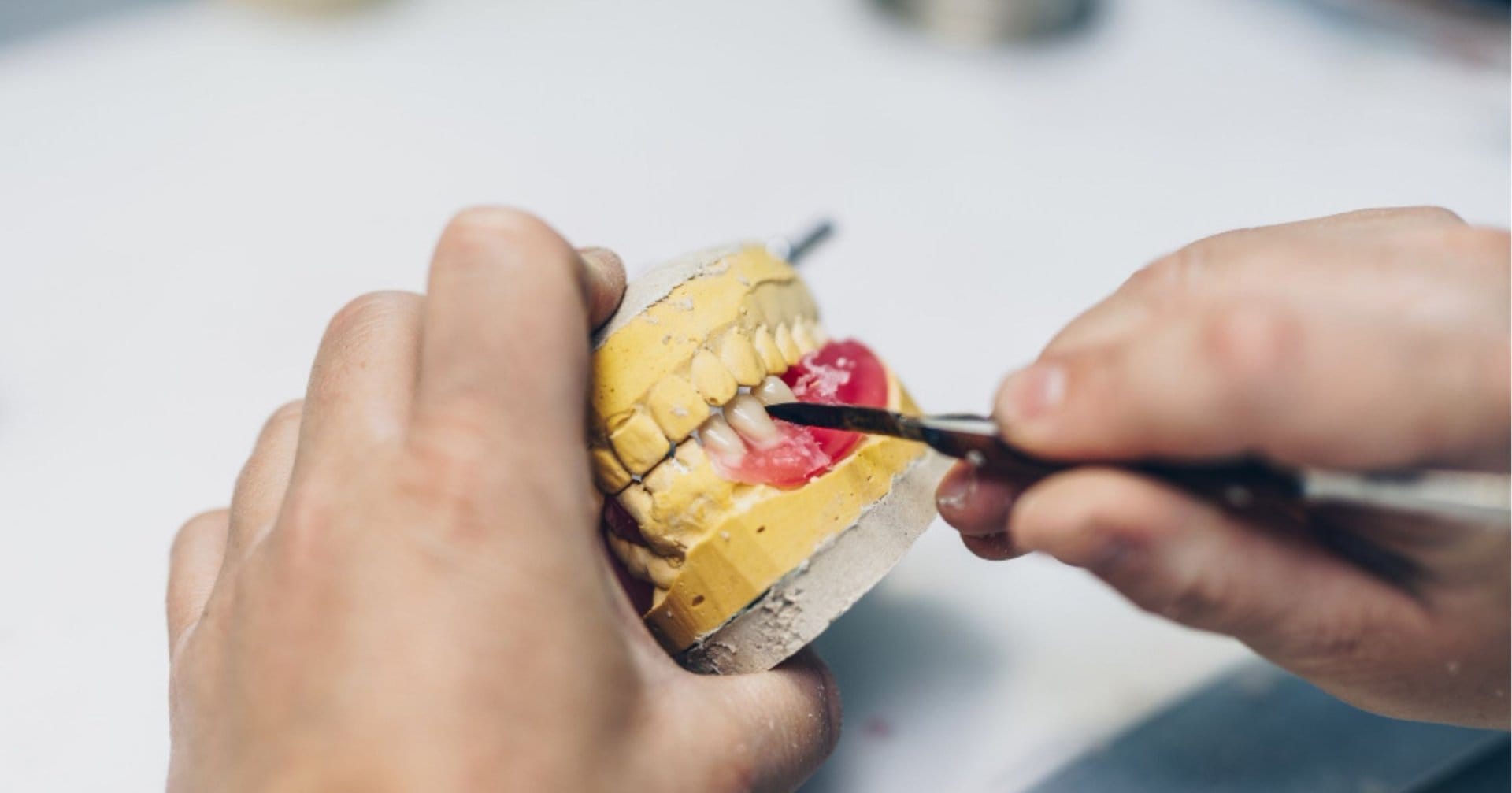
Denture repair addresses physical damage to the denture itself: a crack in the base, a broken or missing tooth, or a metal clasp that’s bent, broken, or has lost its grip. A broken denture repair is generally about restoring the appliance to its original condition rather than changing how it sits in the mouth.
Denture reline addresses fit, not damage. It involves adding new material to the underside of the denture, the surface that sits against the gum, to match the current shape of the ridge. A soft reline uses a cushioning material and is sometimes used as a shorter-term option, while a hard reline uses a more rigid material intended to last longer. Relining is the usual answer to loose dentures caused by gum and bone changes rather than breakage.
Denture adjustment is a smaller-scale fix, typically for a single sore spot or a minor bite issue, done by selectively adjusting the fitting surface rather than replacing material across the whole denture. It’s often the first thing tried when a new or recently relined denture is causing localised discomfort.
Getting these mixed up is common. A denture that feels loose overall usually needs a reline, not a repair, while a denture that’s physically cracked needs a repair regardless of how it fits. A dentist can tell the difference at a review, which matters because relining a damaged denture, or trying to repair one that just needs relining, doesn’t solve the actual problem.
How Often Dentures Typically Need Relining
There’s no fixed interval that applies to everyone, since it depends on the rate of bone and gum change, which varies between patients and can slow down over time.
As a general guide, many dentists recommend having a denture reviewed periodically, roughly every couple of years, so that a gradual change in fit can be picked up before it becomes uncomfortable or starts causing sore spots. Some people need relining sooner, others later.
A review appointment is the way to find out where your denture currently sits, rather than working from a general timeframe.
What Happens If a Loose or Broken Denture Isn’t Addressed
A denture that’s left loose or damaged tends to create problems beyond the original issue. Rocking or shifting can lead to repeated rubbing on the same area of gum, which may progress from mild irritation to a more persistent ulcer.
An uneven bite caused by a poor fit can make chewing less effective and, over time, place uneven pressure on the gum ridge. A small crack in a denture base can also widen with continued use, turning a minor repair into a more involved one.
None of this happens overnight, which is part of why loose or slightly uncomfortable dentures are often left rather than addressed early. Results vary between patients, but addressing a fit or damage issue when it’s first noticed generally involves less work than waiting until it’s causing pain or has gotten worse.
Why Home Denture Repair Kits Are a Risk
Home repair kits exist, but there are real limitations worth knowing before using one. Over-the-counter adhesives aren’t always compatible with denture base material, and a poor DIY repair can distort the fit of the whole denture, sometimes making a professional repair more difficult afterwards.
Denture base material and denture teeth are also not something a home kit is designed to bond as reliably as a professional repair. If a denture breaks, keeping all the pieces and having it assessed is a more reliable path than attempting a temporary fix at home.
What to Expect at a Denture Review
A denture review typically starts with an exam of both the denture and the gum tissue underneath it, checking for damage, wear, sore spots, and how well the denture currently seats.
Depending on what’s found, the recommendation might be a repair, a reline, an adjustment, or in some cases a conversation about whether the denture has reached the point where a replacement makes more sense. As with any dental treatment, results vary between patients and any invasive or surgical step carries its own risks, which would be discussed as part of that conversation.
FAQ
How do I know if I need a denture repair or a reline?
Physical damage to the denture, such as a crack, chip, or a tooth that has come away from the base, generally needs a repair. A denture that feels loose or uncomfortable without visible damage more often needs a reline. An exam is the reliable way to tell, since both can sometimes be present together.
Can a broken denture always be repaired, or does it need replacing?
The appropriate treatment depends on the extent and location of the damage. Many repairs can restore a denture to full function, but a dentist can advise whether repair is realistic or whether the denture has reached a point where replacement is the better option.
Is a soft reline or a hard reline better?
Neither is automatically the better choice. A soft reline offers more cushioning and can suit sensitive gum tissue or recent extractions, while a hard reline is generally more durable for longer-term use. Which one suits you depends on your gum condition and how the denture is used day to day.
Why does my denture suddenly feel loose after fitting well for years?
This is usually a sign that the underlying gum and bone shape has changed gradually over that time, to the point where the difference has become noticeable. It’s a normal process rather than something going wrong with the denture itself.
Can I use adhesive instead of getting a reline?
Adhesive can help in the short term, but relying on increasing amounts of it is often a sign the underlying fit issue needs addressing rather than managing. It’s worth having the fit assessed rather than adjusting to a growing amount of adhesive.
Is it normal for a denture to cause a sore spot after an adjustment?
Some settling-in discomfort can occur, but a sore spot that persists or worsens should be checked rather than left, since continued rubbing in one area can progress to an ulcer.
Book a Denture Review in Cardiff
If your denture feels loose, is causing sore spots, or has any visible damage, it’s worth having it assessed rather than working around the problem.
At Cardiff Dental, we see patients from Cardiff, Newcastle, Charlestown, and the wider Lake Macquarie area.
Call us on (02) 4954 6888 or visit our website to book. You’ll find us at 30 Veronica Street, Cardiff NSW.
Any surgical or invasive procedure carries risks. Before proceeding, consider seeking a second opinion from an appropriately qualified health practitioner.