Tartar Buildup: What It Is, How Dentists Remove It and How to Prevent It
If you can see yellow or brown deposits near your gumline, or feel a rough patch on your teeth with your tongue, you may be looking at tartar buildup. It happens to many patients, it is not a sign that you are doing everything wrong, and it is something your dentist can deal with.
This guide explains what tartar is, why it forms, what it can do to your teeth and gums, why you cannot safely remove it yourself, how dentists remove it and how to reduce how much forms.
This article is general information only. It is not a diagnosis. Your dentist can tell you whether tartar is present and what care suits you.
What is Tartar?
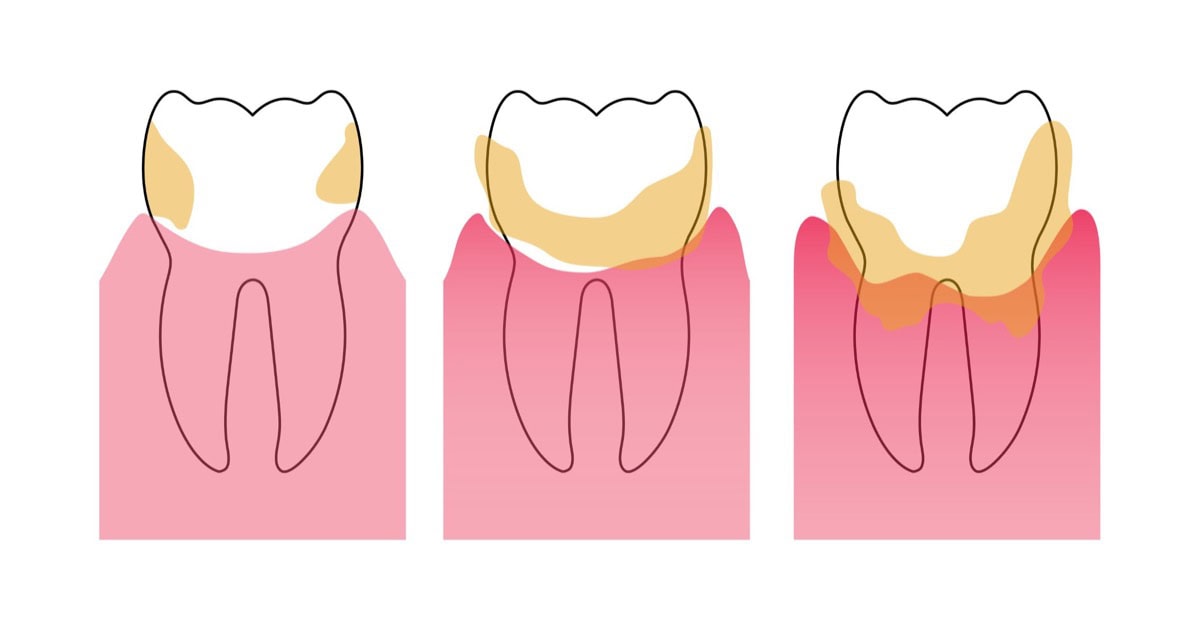
Tartar, also called calculus, is hardened plaque. Plaque is the soft, sticky film of bacteria that forms on your teeth every day.
If it stays on the teeth, minerals in your saliva can harden it into a rough, cement-like deposit.
Tartar can form above the gumline, where you can see it, and below it, where you cannot. It is often yellow or brown, though it can be harder to spot on some teeth.
Plaque vs. Tartar: What Is the Difference?
Plaque is soft. Brushing and cleaning between your teeth can remove it.
Tartar is hard, and it is bonded to the tooth. Brushing and flossing cannot remove it, however carefully you clean. Only a dentist or hygienist can do this.
Tartar also has a rough surface, so plaque can collect on it more easily, which can make the problem build on itself.
Why Tartar Buildup Happens
Tartar forms when plaque is not fully cleaned away. Several things can make it more likely:
- Missing areas when you brush, such as between teeth and along the gumline.
- Areas close to the openings of the salivary glands, such as the inside of the lower front teeth, where tartar often collects.
- Smoking.
- Dry mouth.
- Crowded teeth, which are harder to clean.
- Not having regular professional cleans.
Some patients form tartar faster than others, even with careful cleaning. If that is you, it does not mean you are doing it wrong.
Signs of Tartar Buildup on Teeth
- Yellow or brown deposits, often near the gumline.
- A rough or gritty feel on your teeth.
- Gums that are red, swollen or bleed when you brush.
- Persistent bad breath.
- Gums that look like they are pulling back.
Heavy tartar buildup on teeth can be a sign that gums need attention too. Early tartar often causes no symptoms, so a regular check-up is the reliable way to find it.
What Tartar Can Do to Your Teeth and Gums
Tartar itself is not harmful to the tooth, but it makes problems more likely.
- Gum inflammation. Tartar along the gumline irritates the gums, which can become red, swollen and bleed. This is gingivitis.
- Gum disease. If inflammation continues, it can progress below the gumline and affect the bone that supports the teeth. Our article on gum health and avoiding swelling or bleeding gums explains the early signs.
- Harder cleaning. The rough surface makes it harder to keep teeth clean.
- Staining and bad breath. Tartar traps stains and holds bacteria.
If your gums already bleed or feel sore, see our pages on bleeding gums and gum problems.
Why Tartar Cannot be Safely Removed at Home
Tartar cannot be safely removed at home. It is bonded firmly to the tooth, and trying to scrape it off is risky. Please don’t use metal scrapers, picks or other tools sold for removing tartar. They can:
- Scratch or wear the enamel.
- Cut or damage the gums.
- Push deposits below the gumline.
- Leave a rough surface that collects plaque more easily.
Abrasive or acidic home remedies can also wear enamel, so it is worth asking your dentist before trying them. A dentist or hygienist can see what they are doing, including below the gumline, and has instruments designed for the job.
How Dentists Remove Tartar
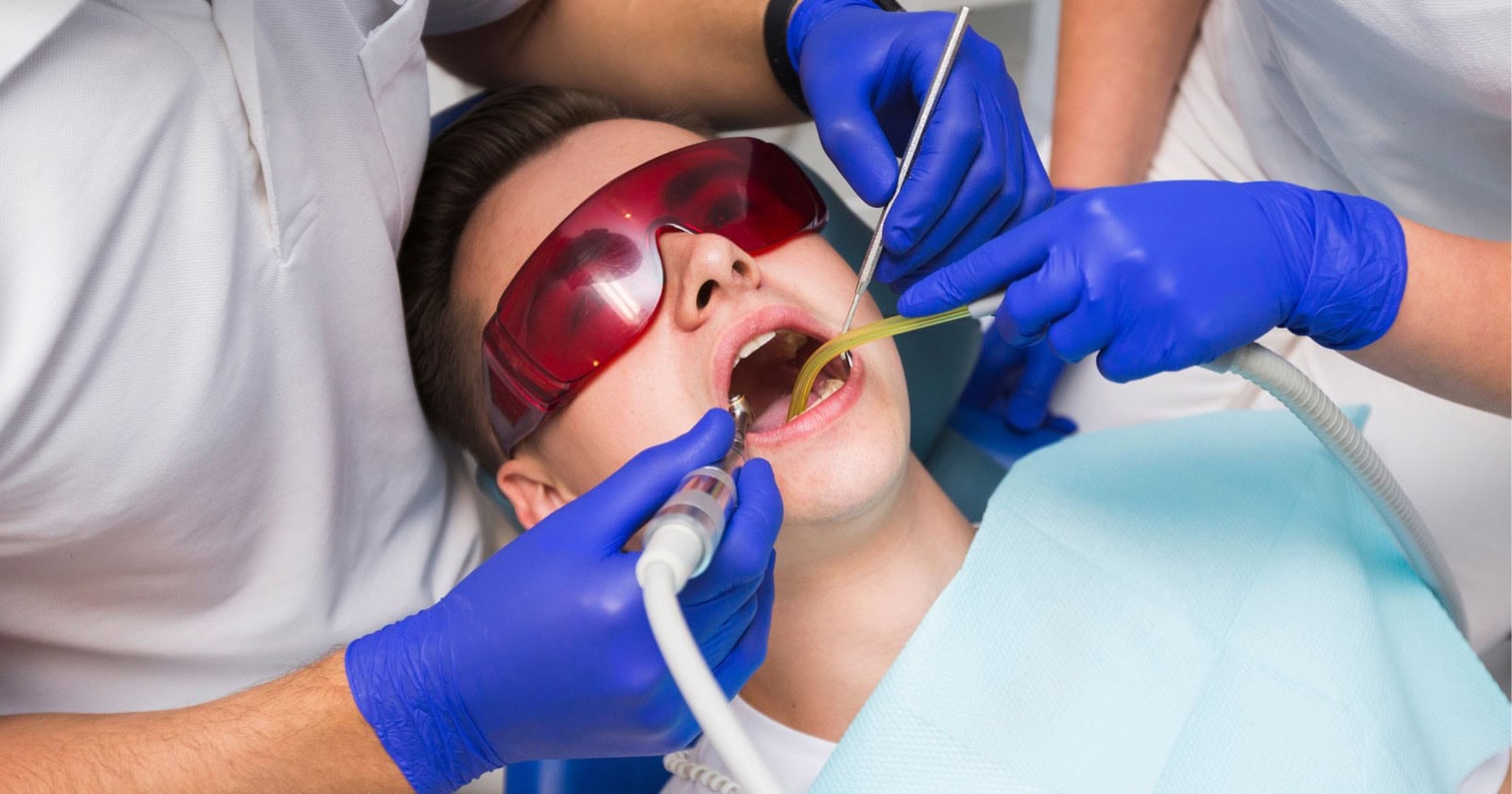
Removing tartar is part of a professional scale and clean. It usually includes:
- An examination. Your dentist checks your teeth and gums, and may take X-rays.
- Ultrasonic scaling. A small instrument uses vibrations and a water spray to break up and wash away tartar.
- Hand instruments. Fine hand tools, called scalers and curettes, remove smaller deposits and smooth the surfaces.
- Polishing. The teeth are polished to remove stain and leave a smoother surface.
- Fluoride. Your dentist may offer fluoride, depending on your needs.
- Home care advice. You will usually get advice on cleaning the areas where tartar collects.
How long it takes depends on how much tartar there is. Heavy tartar may need more than one visit. If the gums are inflamed or the tartar is below the gumline, your dentist may recommend a deeper clean. Some patients find cleaning uncomfortable, so tell your dentist, and ways to manage this can be discussed.
After a Scale and Clean
- Your gums may be tender or bleed a little.
- Your teeth may feel sensitive to hot or cold for a time.
- You may notice small gaps between teeth where tartar used to be.
- Your teeth will usually feel smoother.
Contact the practice if bleeding or soreness continues or gets worse.
How to Prevent Tartar Buildup on Teeth
Regular habits make it harder for plaque to harden:
- Brush twice a day with a soft toothbrush and fluoride toothpaste, paying attention to the gumline.
- Clean between your teeth every day with floss or interdental brushes.
- Cut back on sugary snacks and drinks.
- Stop smoking, and ask for help if you need it.
- Keep up your check-ups and cleans at the frequency your dentist recommends.
- Ask your dentist whether a particular rinse or toothpaste would suit you.
These steps can reduce how much tartar forms. They cannot guarantee that none forms, and they do not prevent gum disease outright.
What a Scale and Clean Can and Cannot Do
A scale and clean removes tartar and plaque and helps you start from a clean surface. It does not mean tartar will not return, and it does not treat gum disease that is already established. If gum disease is found, you may need more than a routine clean.
Things to be aware of:
- Gums may be sore or bleed afterwards, and teeth may be sensitive.
- It may not remove all stains.
- Tartar can come back if plaque is not controlled between visits.
Results vary between patients.
Tartar Buildup FAQs
How often will I need tartar removed?
It varies. Some patients need cleans more often than others, depending on how quickly tartar forms and how healthy their gums are. Your dentist will advise you.
Does a scale and clean hurt?
Many patients find it comfortable, and some find it sensitive, especially with inflamed gums or heavy tartar. Individual experiences vary. Let your dentist know if you are uncomfortable or if you are nervous about it.
Why does tartar keep coming back?
Plaque keeps forming every day, and anything left behind can harden. Some patients also form tartar faster than others. Good daily cleaning and regular professional cleans help keep it down.
Do whitening or tartar-control products remove tartar?
No. Whitening products do not remove tartar, and tartar-control products are aimed at slowing new buildup, not removing what is there. Only a dentist or hygienist can remove existing tartar.
Book a Scale and Clean in Cardiff
Noticed yellow-brown buildup, rough patches or bleeding gums? The next step is a check-up.
At Cardiff Dental, your dentist can look at your teeth and gums, tell you whether tartar is present and explain whether a scale and clean or other care is right for you before you decide on anything.
Call us on (02) 4954 6888 or book online to arrange a scale and clean.
We are at 30 Veronica St, Cardiff NSW 2285.

This article is general information and does not replace advice from a registered dental practitioner. All dental procedures carry risks. Results vary between patients. Ask your dentist whether treatment is appropriate for you.