Swollen Gums: What Localised vs Widespread Swelling Means
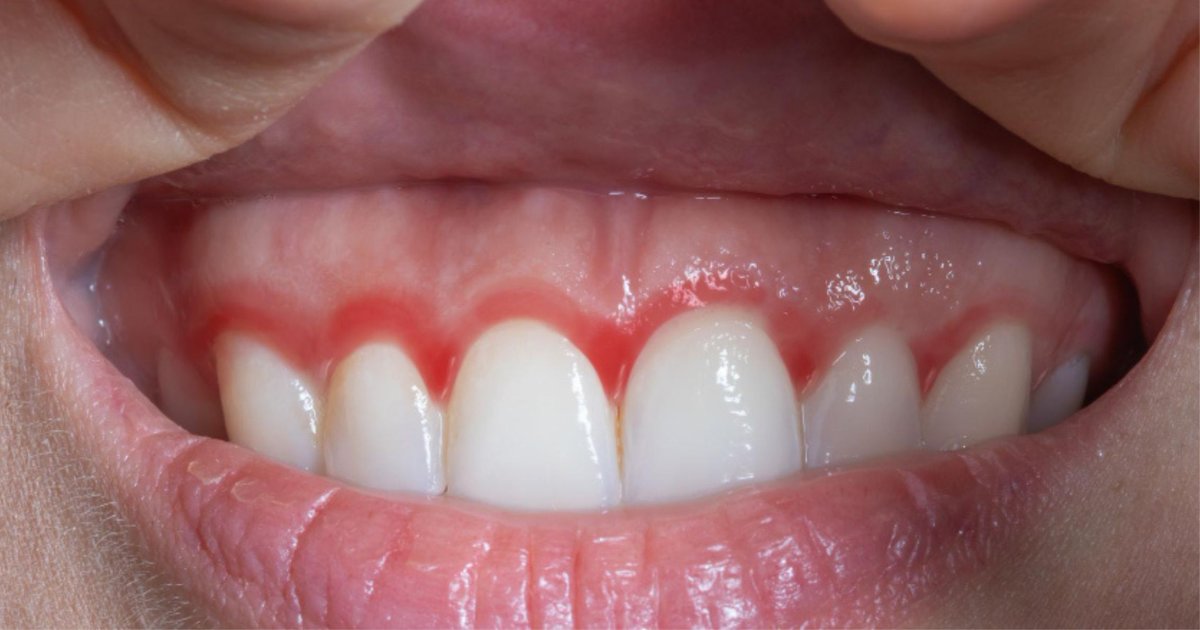
Swollen gums are a reason many people book in outside their regular dental check-up. The gum tissue turns red, puffy, and tender — sometimes around a single tooth, sometimes across a wider area — and the cause can range from something that settles with better brushing to something that needs prompt attention. This guide covers what swelling is actually telling you, what causes it, and what to do next.
What Swollen Gums Are Telling You
Swelling is your gum tissue’s response to something it’s reacting against — bacteria, trauma, pressure, or infection. The tissue fills with fluid and immune cells as part of that response, which is why it looks puffy and feels tender rather than firm.
This response is useful information, not just a symptom to mask. Where the swelling is, how it developed, and what else comes with it (bleeding, pain, a bad taste) all point toward what’s actually happening beneath the surface. Reading these signals — rather than just treating the puffiness — is what an assessment is for.
Key Causes
Gingivitis
Plaque along the gumline is a frequent trigger. The gums redden, swell, and bleed easily when brushed or flossed. With improved home care and a professional clean, gingivitis resolves — left alone, it can progress into periodontitis.
Food Impaction
Food trapped between teeth or under the gumline irritates the tissue directly. This causes swelling confined to one specific spot, and it can come and go depending on what you’ve eaten and how thoroughly you’ve cleaned the area since.
Abscess
An infection around the root of a tooth can cause swelling of the surrounding gum, sometimes appearing as a raised bump or lump. An abscess doesn’t resolve without treatment — it needs to be seen.
Ill-Fitting Restorations
A crown, filling, or denture that no longer sits correctly can create a constant point of irritation against the gum tissue, leading to localised swelling right at the contact point. Adjusting or replacing the restoration is what resolves it, not more brushing.
Hormonal Change
Pregnancy, puberty, and menopause all shift how the gums respond to plaque, making inflammation more likely even with a consistent hygiene routine. Pregnancy gingivitis in particular is a recognised pattern worth mentioning to your dentist if you’re expecting.
What a Swollen Tooth Abscess Can Look Like
An abscess is a cause that needs prompt attention, so it’s worth knowing what sets it apart from other causes of swelling. An abscess presents as a distinct, sometimes throbbing area of swelling, occasionally with a small raised bump on the gum that can look like a pimple. There may be a bad taste if it’s begun to drain on its own, and pressing on the area — or biting down — can be noticeably uncomfortable, more so than food impaction or mild gingivitis.
Unlike swelling from plaque buildup, an abscess won’t improve with better brushing, since the infection sits at the root of the tooth, out of reach of a toothbrush entirely.
Localised Versus Widespread Swelling
Where the swelling shows up changes what it’s likely pointing to.
Swelling around one tooth points to a specific, findable cause at that exact site — trapped food, a crack, an abscess forming at the root, or a restoration that’s no longer fitting well. Because the cause is localised, so is the fix: cleaning out the trapped debris, treating the abscess, or adjusting the restoration.
Swelling across a wider area points somewhere different. It’s connected to gum disease affecting multiple teeth at once, or to a systemic factor like hormonal change that’s affecting your gum tissue’s response throughout your mouth rather than at one specific site. This kind of swelling calls for a broader look at your oral hygiene and gum health overall, not just a fix at one spot.
Neither pattern is something to diagnose from a mirror — but knowing which one you’re looking at is a useful starting point for the conversation with your dentist.
What You Can Do at Home
Clean Gently But Thoroughly
Don’t stop brushing the swollen area out of concern it’ll make things worse — that lets more plaque build up and prolongs the problem. Use a soft-bristled brush and light pressure, and keep cleaning around the site as gently and consistently as you can.
Salt Water Rinses
Dissolve about half a teaspoon of salt in warm water and rinse for 30 to 60 seconds, two to three times a day. This can reduce bacterial load and ease irritation without adding further trauma to already-inflamed tissue.
What Not to Do
Avoid alcohol-based mouthwash, very hot or spicy food, and smoking while the area is inflamed — all three aggravate swollen tissue further. And don’t take swelling that comes and goes as a sign it’s resolving on its own; intermittent swelling means the underlying cause is still there, just fluctuating.
Home care can ease discomfort and support healing, but it won’t fix a cause that needs professional treatment — an abscess, a restoration that needs adjusting, or gum disease below the gumline all need to be addressed at the source.
When to See Your Dentist
See your dentist sooner — the same day if possible — if you notice:
- Pain alongside the swelling, particularly if it’s not controlled by over-the-counter pain relief
- Fever, or feeling generally unwell alongside the swelling
- Swelling that’s lasted beyond a week without improving
- Visible pus, or a lump that’s growing rather than settling
- Difficulty opening your mouth fully or swallowing comfortably
If swelling impairs your ability to breathe or swallow, it is a medical emergency — go to an emergency department rather than waiting for a dental appointment.
For everything short of that, treatment depends entirely on what’s causing it—a professional clean resolves swelling from plaque and early gingivitis. An abscess needs the infection addressed at its source, sometimes alongside a short course of antibiotics to manage the acute phase.
Gum disease below the gumline needs deeper periodontal treatment. An assessment is what tells you which of these applies to you.
Reducing the Chance of Swelling Recurring
Once the underlying cause has been addressed, a few habits help keep it from coming back:
- Maintaining a consistent brushing and flossing routine, particularly around the gumline where plaque can accumulate.
- Flagging any restoration that starts to feel different to how it used to, rather than waiting for it to become uncomfortable
- Keeping up regular check-ups, since a professional clean removes tartar that brushing and flossing alone can’t touch
- Mentioning any hormonal changes — pregnancy, for example — to your dentist so your care can be adjusted accordingly.
None of this guarantees swelling won’t happen again, but consistent habits reduce the chances of the underlying triggers building up.
Frequently Asked Questions
Will swollen gums go away on their own?
Mild swelling from something minor — trapped food, a small irritation — can settle with better home care. Swelling from infection, gum disease, or an abscess won’t resolve without treatment. If it lasts beyond a few days or keeps coming back, it’s worth getting checked.
Why is only the gum around one tooth swollen?
Localised swelling points to something specific at that site — trapped food, a crack, an abscess, or a restoration that’s no longer fitting well. It’s worth having it assessed rather than assuming it’ll pass, particularly if there’s any pain or sensitivity alongside it.
Is swelling after dental work normal?
Some swelling after a filling, extraction, or clean is expected and settles within a few days. If it’s getting worse rather than better after the first 48 hours, or comes with fever or significant pain, contact your dentist — it may point to an infection developing.
Can hormonal changes really cause swollen gums?
Yes. Pregnancy, puberty, and menopause all increase how reactive gum tissue is to plaque. Pregnancy gingivitis is a recognised pattern, and keeping up with home care and regular check-ups during pregnancy helps manage it.
How long does swelling take to settle after treatment?
For gingivitis treated with a professional clean, improvement within one to two weeks is a reasonable expectation alongside better home care. More significant infections or periodontal treatment take longer to settle. Your dentist can give you a specific expectation based on what’s found at assessment.
Book a Gum Check Appointment in Cardiff
If your gums are swollen, tender, or it’s been going on for more than a few days, it’s worth getting checked rather than waiting it out. At Cardiff Dental, we see patients from Cardiff, Newcastle, Charlestown, and the wider Lake Macquarie area.
Call us on (02) 4954 6888 or visit our website to book. You’ll find us at 30 Veronica Street, Cardiff NSW.
Any surgical or invasive procedure carries risks. Before proceeding, consider seeking a second opinion from an appropriately qualified health practitioner.