Gum Boil: What a Pimple on Your Gum Means and How It’s Treated

A gum boil looks like a pimple on the gum, but it isn’t one. It’s usually a sign of an infection, and it needs to be looked at by a dentist.
This guide explains what a gum boil is, how it differs from an abscess, what causes it, and how it’s treated. It’s general information, not a diagnosis. Only an examination can show what’s going on.
What Is a Gum Boil?
A gum boil is the everyday name for a swollen, pimple-like bump on the gum. It’s usually darker than the gum around it and can range from mildly to noticeably swollen.
The bump is a sign of an abscess, which is a pocket of infection (pus) in or around the gum. Unlike a skin pimple, it won’t go away on its own, and it shouldn’t be squeezed or popped.
Gum Boil vs Abscess: What’s the Difference?
A gum boil isn’t a separate condition from an abscess. The boil is the lump you can see. The abscess is the infection behind it.
There are two common types:
- A gum (periodontal) abscess forms in the gum, between the tooth and the gum.
- A root (periapical) abscess forms in the inner part of the tooth, called the pulp.
A gum boil can be linked to either, and which one it is changes how it’s treated. An examination, usually with an X-ray, is the only way to tell them apart.
Gum Boil Symptoms
The most obvious sign is a swollen bump on the gum. Other symptoms can include:
- Tenderness or pain around the bump
- A toothache or pain when chewing
- Sensitivity to hot or cold
- A bad taste or bad breath
- Pus
- Swollen glands in the neck or jaw
- A loose tooth
- Fever
Not everyone has all of these, and the symptoms vary between patients.
A Gum Boil That Doesn’t Hurt: Does It Still Need Checking?
Yes. Many patients have pain or tenderness, but some don’t. Whether or not it hurts, a gum boil still points to an infection that won’t go away on its own. A bump that doesn’t hurt is still worth having examined.
What Causes a Gum Boil?
A gum abscess forms when bacteria from the mouth get into the space between the teeth and gums. The most common reason is gum disease. You can read more on our gum problems page.
Other things that can raise the risk include:
- Poor oral hygiene
- A high-sugar diet
- Teeth damaged by injury
- Broken or damaged fillings, crowns or bridges
- Teeth grinding or clenching
An infection at the root of a tooth can also cause a bump on the gum.
How a Gum Boil Is Diagnosed
A dentist will usually:
- Ask about your symptoms, including how long the bump has been there
- Check your gums, measuring the pockets around the tooth
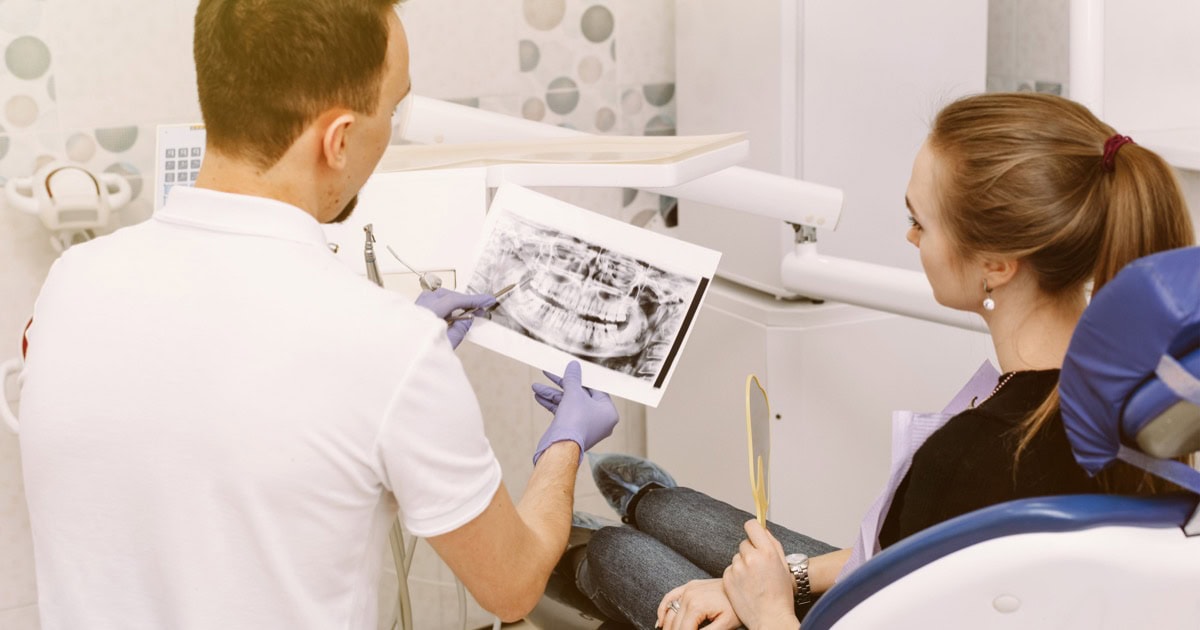
- Take X-rays to see how far the infection has spread
You can’t confirm what a gum boil is from a mirror or a photo, so an in-person examination is the way to find out.
Gum Boil Treatment
A gum boil can’t be treated at home. Treatment depends on the cause and where the infection is, and your dentist will explain what applies. In general, options include:
- Draining the abscess. A small cut is made in the gum so the infection can drain.
- Gum disease treatment. A deeper clean below the gumline, or in some cases, gum surgery.
- Root canal treatment, if the infection has reached the tooth.
- Removing the tooth, in more severe cases. Your dentist would discuss replacement options.
- Antibiotics. In some cases, your dentist may also discuss these, alongside treating the infection at its source.
Results vary between patients. The area may feel tender afterwards, and deeper cleaning can take more than one visit. Saving a tooth can’t be guaranteed in every case, and your dentist will explain the risks and limitations before you decide anything.
While You Wait to Be Seen
These steps may help in the meantime, but they don’t treat the infection:
- Don’t squeeze, pick or pop the bump.
- Keep cleaning your teeth gently with a soft brush.
- If you’re uncomfortable, use over-the-counter pain relief as directed on the packaging, taking your own medical history into account.
- A warm saltwater rinse can ease discomfort, but it can’t cure the infection.
When to See a Dentist and When It’s Urgent
Book in promptly if you notice a bump on your gum, rather than waiting to see whether it settles. Our toothache or dental pain page has more on urgent care.
Seek urgent medical care, or call 000, if you have:
- A fever or chills
- Nausea or vomiting
- Difficulty breathing or swallowing
- Pain that isn’t easing with over-the-counter pain relief
- Swelling that’s spreading across your face or neck.
Swollen gums can also have other causes. Our guide to localised vs widespread swollen gums explains the difference.
Reducing Your Risk
Good habits lower the chance of gum problems, though they can’t guarantee you won’t get one:
- Brush twice a day with a soft toothbrush and fluoride toothpaste.
- Clean between your teeth every day.
- Keep up regular check-ups and cleans.
- If you have dry mouth or grind your teeth, talk to your dentist.
Frequently Asked Questions
Is a gum boil the same as a pimple?
No. It looks similar, but a gum boil is usually a sign of infection in or around the gum, and it needs professional treatment.
Can I pop a gum boil?
No. Squeezing or popping it can make things worse, and it won’t remove the infection. Call your dentist instead.
Will a gum boil go away on its own?
No. An abscess needs professional treatment, even if the bump seems to settle.
Can a gum boil be there without pain?
Yes. Some patients have pain or tenderness, and some don’t. It still needs to be checked.
How urgent is a gum boil?
It should be assessed promptly. Most aren’t life-threatening, but the infection can spread, so it’s best treated early. Fever, trouble breathing or swallowing, or spreading swelling need urgent care.
Do I need antibiotics for a gum boil?
Not necessarily. Whether they’re used is decided by your dentist or doctor after an examination, and they’re considered alongside treating the cause.
Book an Appointment in Cardiff
If you’ve noticed a bump on your gum, an appointment is the next step. Your dentist can examine the area, explain what they find, and talk through your options before you decide anything.
At Cardiff Dental, we see patients from Cardiff, Newcastle, Charlestown, and the wider Lake Macquarie area.
Call us on (02) 4954 6888 or book online to arrange an appointment. You’ll find us at 30 Veronica Street, Cardiff NSW 2285.
Sources: Cleveland Clinic. “Periodontal Abscess.” my.clevelandclinic.org (medically reviewed, last updated January 2023).
Any surgical or invasive procedure carries risks. Before proceeding, consider seeking a second opinion from an appropriately qualified health practitioner.