Dental Implants in Cardiff: What to Expect from Start to Finish

Losing a tooth — or several — affects more than how you look. It changes how you eat, how you speak, and in many cases, how confident you feel day to day. Dental implants provide a dependable, long-term replacement that looks and functions much like natural teeth.
If you’ve been thinking about dental implants in Cardiff and want to understand exactly what’s involved before making any decisions, this guide walks you through everything — from what implants are and whether you’re a candidate, to the treatment timeline, types of solutions, recovery, and factors that influence cost.
What Are Dental Implants?
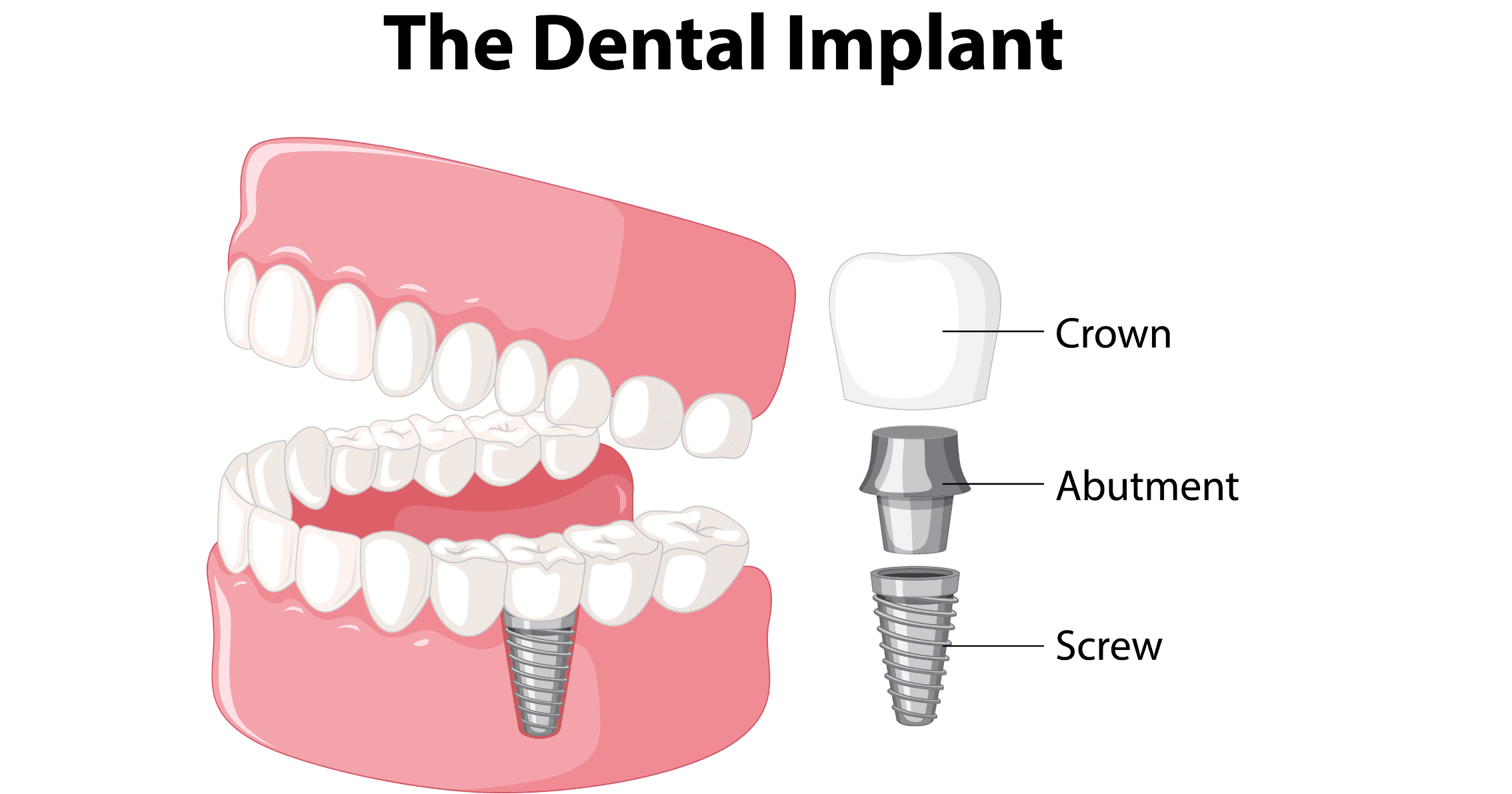
It’s a titanium post that is surgically implanted into the jawbone where the tooth root once was, and then an abutment and a custom crown are added after healing.
Unlike dentures, implants don’t sit on the surface of the gums, and unlike a bridge, they don’t rely on adjacent teeth for support. They stand alone, fully anchored in the jaw.
The titanium used in implants is biocompatible, meaning the body accepts it well. Over time, the bone grows around the post and holds it firmly in place, which is why implants tend to feel so natural and stable once fully healed.
Am I a Candidate for Dental Implants?
Most adults in good general health who have missing teeth may be suitable candidates for dental implants. That said, a thorough assessment is always needed before any treatment begins, because the success of an implant depends on several individual factors.
Bone Density
The implant post needs enough bone to anchor into. If there has been significant bone loss in the jaw — which can happen after tooth extraction, gum disease, or prolonged denture wear — there may not be sufficient volume to place an implant immediately. A bone graft may be advised to strengthen the area before the implant is placed.
Gum Health
Good gum health is essential for a stable implant outcome. Periodontitis may increase the risk of infection at the implant site and affect the bond between the implant and the bone. If gum disease is present, it needs to be managed before implants are considered.
General Health
Certain health conditions, medicines, and smoking can affect healing and implant success, so your medical history will be carefully reviewed.
The Assessment Process
At Cardiff Dental, the process begins with a consultation that includes a clinical examination and dental imaging — typically X-rays and sometimes a CBCT scan, which provides a detailed three-dimensional view of the jawbone. This imaging helps determine bone volume and quality, enabling precise implant planning before any procedure.
In most cases, adults in good general health with adequate bone density are suitable candidates. If there are factors that need to be addressed first, your dentist will explain what they are and the recommended treatment sequence.
The Dental Implant Timeline
One of the most common questions patients have is how long the process takes. The honest answer is that it varies depending on your starting point, but here’s a general outline of what’s involved.
Initial Consultation and Planning
Your first visit includes an oral assessment, medical history review, and imaging to evaluate the implant site. This is when your dentist will confirm whether you’re a suitable candidate and outline a personalised treatment plan.
Implant Placement Surgery
Implant placement is performed under local anaesthetic, with most patients finding it more straightforward than expected.
You may feel some pressure, but not sharp pain. Post-surgery soreness is normal and usually manageable with over-the-counter pain relief.
Osseointegration — 3 to 6 Months
This is the healing phase, and it’s the longest part of the process. The implant post gradually fuses with the surrounding jawbone over the following months. How long this takes depends on the individual — factors like bone quality, overall health, and whether any grafting was done all play a role.
During this period, a temporary restoration may be fitted to avoid a visible gap.
Abutment Placement and Final Crown
Once the implant has integrated, a small connector (abutment) is placed on top. Impressions or digital scans are then taken to fabricate your custom crown.
When the crown is ready, it’s fitted and adjusted to ensure a comfortable, natural bite. At this point, treatment is complete.
Types of Implant Solutions
Dental implants aren’t a one-size-fits-all treatment. The right approach varies depending on your specific needs and oral condition.
Single Tooth Implant
If one tooth is missing, a single implant post is placed, followed by a single crown. This is the most common implant scenario and works well when the surrounding teeth are healthy and the bone at the site is adequate.
Implant-Supported Bridge
When several consecutive teeth are missing, an implant-supported bridge may be recommended. Rather than placing an individual implant for every missing tooth, two implants are placed at either end of the gap to support a bridge spanning across.
This is a more cost-effective solution when multiple adjacent teeth need to be replaced.
Full Arch Replacement
For patients who are missing all or most of their teeth on one or both arches, a full-arch implant solution may be appropriate. A fixed or removable prosthesis is supported by a small number of strategically placed implants, providing significantly more stability than conventional dentures.
Recovery and Long-Term Care
After Surgery
Some swelling, bruising, and soreness in the days following implant surgery are entirely normal. Most patients find this manageable with prescribed or over-the-counter pain medicine. Applying a cold pack to the outside of the cheek during the first 24 hours can help reduce swelling.
Diet During Healing
In the early healing phase, a soft diet helps protect the implant site. Think soups, yoghurt, mashed vegetables, and scrambled eggs. As healing progresses and your dentist confirms everything is on track, you can gradually return to a normal diet.
What to Avoid
During the early healing period, avoid:
- Smoking — this significantly impairs healing and increases the risk of implant failure
- Hard, crunchy, or sticky foods around the implant site
- Vigorous rinsing or spitting in the first 24 to 48 hours
- Strenuous physical activity for the first few days
Long-Term Maintenance
Once your implant and crown are complete, care is simple: brush twice daily, floss daily (including around the implant), and attend regular check-ups and cleans. Over time, the crown may need to be replaced due to wear, but the implant post itself can last for many years with healthy bone and gums.
What Influences the Cost of Dental Implants?
Dental implants cost more upfront than alternatives like dentures or bridges, and it’s worth understanding why that is and what factors affect the overall investment.
- The complexity of your case — whether bone grafting, sinus lifts, or gum treatment is required before implant placement will affect the overall treatment plan and cost.
- Number of implants — a single implant is priced differently from a multi-tooth or full-arch solution
- Materials used — the type and brand of implant components and the material chosen for the crown — can influence cost.
- Diagnostics and planning — imaging, such as CBCT scans, adds to the preparation cost but is an important part of accurate treatment planning.
- Private health insurance — some dental health funds provide partial cover for implant treatment under major dental benefits, depending on your level of cover and annual limits
The best way to get a clear picture of costs is through a consultation, where a treatment plan and fee estimate can be provided based on your specific situation.
Frequently Asked Questions
How long do dental implants last?
With consistent care and routine dental visits, the implant post is designed to last for many years, often even a lifetime. The crown fitted on top may need to be replaced after 10 to 15 years or more, depending on wear and individual factors.
Is the procedure painful?
The surgery is performed under local anaesthetic, so you should not feel any pain during the procedure. Pressure and movement are normal to feel. Post-surgical discomfort is expected and typically manageable with pain relief medicine. Most patients report that the experience was less uncomfortable than they had anticipated.
What is bone grafting, and will I need it?
Bone grafting adds material to strengthen areas with insufficient bone. This may be needed if there has been significant bone loss since the tooth extraction. Whether grafting is required is determined through assessment and imaging — not every patient needs it.
How do dental implants compare to dentures?
Implants are fixed in the jaw and don’t move. They function like natural teeth, don’t require adhesives, and help preserve the underlying bone. Dentures rest on the gums and may move during eating or speaking. Over time, bone loss can cause dentures to become loose-fitting and require relining or replacement. Implants avoid these issues, but they involve a longer, more involved treatment process.
Are payment or financing options available?
Cardiff Dental offers TLC payment plans to help spread the cost of treatment. Speak with our team about what’s available and how it applies to your treatment plan.
Dental Implants in Cardiff
If you’re considering dental implants and want to understand whether they’re right for you, the first step is a consultation. Our team at Cardiff Dental will assess your needs, answer your questions, and guide you through your options with no pressure.
We see patients from Cardiff and surrounding areas, including Charlestown, Warners Bay, Belmont, and across Lake Macquarie.
Call us on (02) 4954 6888 or book online. You’ll find us at 30 Veronica Street, Cardiff.
FREE Guide to Dental Implants Now Available
Get your copy of the ultimate patient guide to dental implants today!